
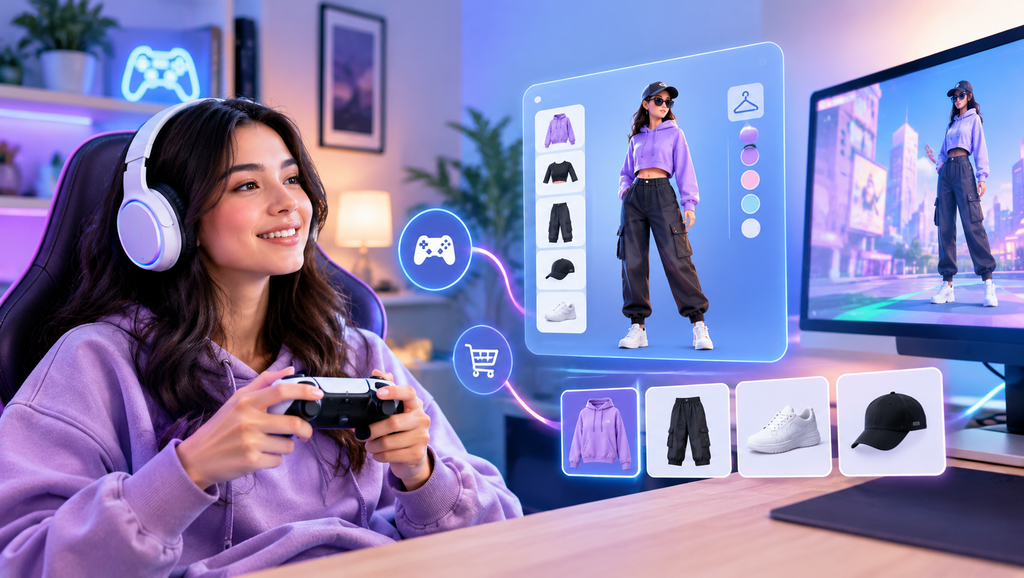
Fashion and games have more in common than their different audiences might suggest. Both let people express identity, follow trends and share what they enjoy with others. In games, that expression may come through an avatar’s outfit, a virtual shop or a themed event. For developers and creators, the challenge is to make those fashion elements feel like part of the experience rather than an interruption.
Why style matters in games
Players often spend time shaping a character’s appearance, even when clothing has no effect on a game’s mechanics. A carefully chosen outfit can make an avatar feel personal, signal a player’s interests or mark an achievement. In multiplayer games, style also becomes a way to communicate with other people before a conversation even starts.
Cosmetic items can support a game’s identity, too. A cozy farming game might offer practical clothes and seasonal accessories, while a futuristic action game could use bold silhouettes and technical details. When visual choices fit the setting, customization helps players feel more connected to the world.
This connection is useful for smaller studios as well as major publishers. A distinctive style can make screenshots and short clips easier to recognize in busy social feeds. It can also give players something to discuss, trade or show off, extending a game’s community beyond the moments spent playing.
Make customization meaningful
Adding a large wardrobe is not automatically a good design decision. Players need a clear way to browse items, understand what they can earn and see how an outfit looks in different settings. If menus are confusing or options feel repetitive, the feature can become a chore instead of a source of enjoyment.
Start by asking what role clothing serves. Is it a tool for role-play, a reward for completing challenges, a way to represent different cultures, or simply a playful creative outlet? The answer should guide the range of choices and how players encounter them. A useful collection offers variety in color, shape and mood, not just many near-identical items.
Accessibility matters here. Consider whether important visual information is conveyed only through color, whether clothing can be viewed on different body types, and whether players can preview items before committing. Options that allow people to shape an avatar in ways that feel comfortable can make a game more welcoming.
Fashion partnerships can give a game fresh ideas, but they work best when there is a genuine fit between the partner, the game and its players. A clothing label might inspire a limited collection, while an independent designer could contribute a distinctive visual theme. The collaboration should add something players value rather than simply place a logo inside the game.
Before approaching a partner, define the audience and the creative boundaries. Which players are likely to care about the collaboration? What can the partner contribute beyond name recognition? How will the items relate to the game’s setting and existing art direction? Clear answers help both sides judge whether the project makes sense.
Studios exploring editorial outreach can use a fashion guest posting guide to think through how to find publications that suit a brand’s audience and budget. The same principle applies to a game collaboration: relevance matters more than reaching the largest possible list of sites or creators.
Show the experience in short-form video
Fashion features are naturally visual, which makes short-form video a useful way to demonstrate them. A quick clip can show an outfit changing in different lighting, explain how a set is earned or present a player’s creative combinations. The strongest videos usually have one clear idea, readable captions and a first few seconds that give viewers a reason to keep watching.
Plan the deliverables before editing begins. Specify the platforms, aspect ratios, expected length, caption style, number of revisions and whether the editor will select footage or work from supplied clips. These details prevent a small social video from growing into an unclear production project. Studios weighing fixed price TikTok editing can use a defined brief to compare proposals and agree on the scope. Osdire is one freelance marketplace where buyers can find services across creative and technical categories; whichever route a team uses, a clear agreement is the most useful starting point.
Measure more than sales
When a game introduces a fashion event or new cosmetic range, sales are only one measure of its effect. Teams can also look at how many players try the feature, how often they use customization tools, and whether community posts show sustained interest. Feedback may reveal that players love the concept but want more ways to earn items, or that a particular design feels out of place.
Use those findings to shape the next update. A small, well-received collection may be a better foundation than a large release that players barely notice. Watch for signs of fatigue as well: frequent limited-time offers can make a game feel pressuring, especially when players cannot tell which items will return.
Keep the player at the center
Fashion can make game worlds feel more expressive, social and memorable when it supports the experience players already enjoy. Thoughtful customization, relevant partnerships and concise video storytelling all help communicate that value. The best digital style is not simply a copy of real-world trends; it gives players room to interpret those trends and make them their own.

